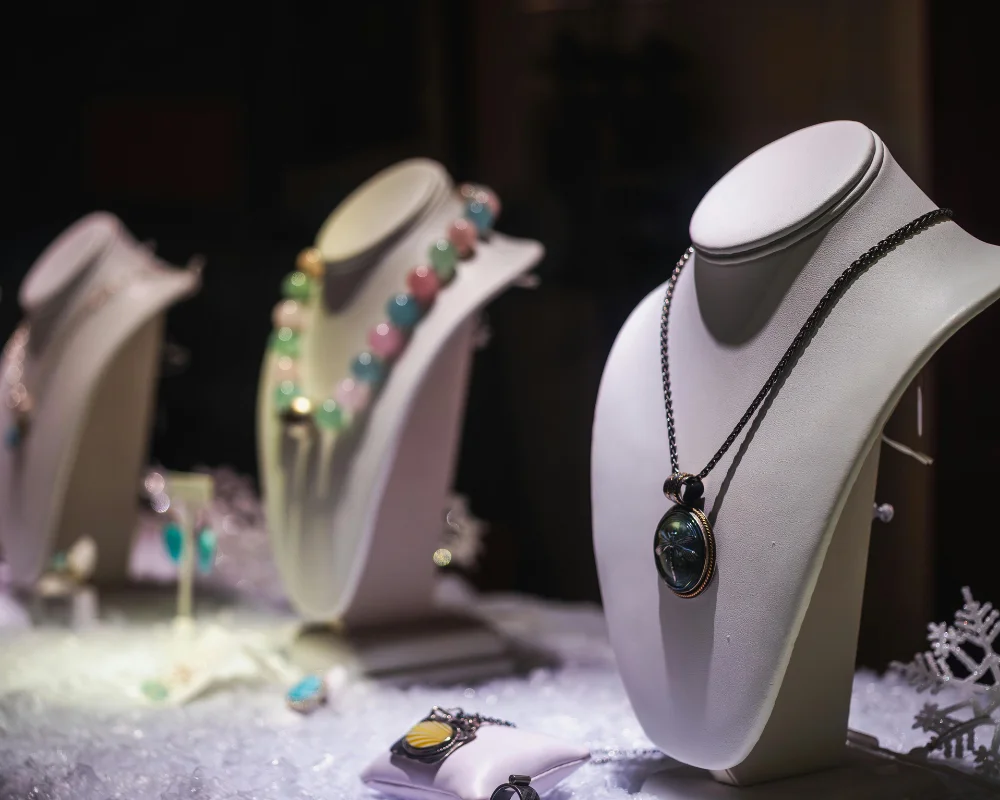
Silver jewellery possesses a timeless elegance that enhances any outfit, but maintaining its lustrous shine requires proper care and attention. Whether you’ve invested in beautiful Balinese handcrafted pieces or own sterling silver from anywhere in the world, understanding how to properly care for your collection ensures it remains stunning for decades. This comprehensive guide provides practical, proven methods to prevent tarnishing, clean your pieces safely, and store them correctly for lasting beauty.
Before diving into care techniques, it’s important to understand what causes silver to lose its shine. Tarnish isn’t dirt or damage; it’s a natural chemical reaction that occurs when silver reacts with sulfur compounds in the air, moisture, and certain materials.
When sterling silver (which contains 92.5% pure silver and 7.5% other metals, typically copper) is exposed to sulfur-containing substances, it forms silver sulfide on the surface. This chemical compound appears as a yellowish discoloration that gradually darkens to brown and eventually black if left untreated.
Common sources of sulfur exposure include air pollution, certain foods (especially eggs and onions), rubber, wool, latex, and even human sweat. This means tarnishing is inevitable with regular wear, but the rate can be significantly slowed with proper care.
Several environmental and usage factors speed up the tarnishing process:
Understanding these factors helps you make informed decisions about when to wear your silver jewellery and how to store it properly.
The best approach to maintaining silver’s beauty is preventing tarnish before it forms. Incorporating simple daily habits protects your jewellery with minimal effort.
Developing the habit of removing silver jewellery before certain activities prevents unnecessary exposure to tarnish-causing elements:
Counterintuitively, one of the best things you can do for silver jewellery is wear it frequently. The natural friction from wearing silver against skin and clothing actually helps slow tarnishing by gently polishing the surface. Pieces worn daily often maintain their shine better than those stored away for long periods.
This applies particularly to rings, bracelets, and other pieces that experience regular contact. The slight abrasion from normal wear removes the thin layer of tarnish before it becomes visible, keeping silver naturally bright.
Developing a simple post-wear routine significantly extends the time between deep cleanings:
After removing silver jewellery each day, wipe it gently with a soft, lint-free cloth. Microfiber cloths work excellently, as do specially designed silver polishing cloths. This simple action removes oils, moisture, and any beginning tarnish that might have formed during wear.
For pieces worn against skin, you might occasionally wipe them with a slightly damp cloth to remove body oils, then dry immediately and thoroughly. This prevents oil buildup that can trap moisture and accelerate tarnishing.
How you store silver jewellery between wearings significantly impacts its condition. Proper storage prevents tarnishing while protecting pieces from physical damage.
Since air exposure contributes to tarnishing, limiting contact with air helps maintain shine:
Where you store silver matters as much as how you store it:
Enhance your storage with these helpful additions:
Even with excellent care, silver eventually needs cleaning. The appropriate method depends on the degree of tarnishing and the piece’s construction.
For minimal tarnishing or regular maintenance, a simple polishing cloth is often sufficient:
Use a specially designed silver polishing cloth, which contains mild cleaning agents embedded in the fabric. Gently rub the tarnished areas using straight, back-and-forth motions rather than circular movements.
The cloth will turn black as it removes tarnish, which is normal. Continue until the silver regains its shine. These cloths can be used multiple times until they’re completely saturated with tarnish residue.
This method works excellently for smooth surfaces but may not reach intricate details or deep recesses in complex designs.
For more noticeable tarnishing, a gentle cleaning solution works effectively:
Mix a few drops of mild, phosphate-free dish soap with warm water. Avoid using hot water, which can damage certain gemstones or loosen settings. Create a gentle lather and use a soft cloth or your fingers to clean the silver.
For pieces with intricate details, use a soft-bristled toothbrush (dedicate one exclusively for jewellery cleaning) to reach crevices and textured areas. Brush gently to avoid scratching.
Rinse thoroughly under lukewarm running water, ensuring all soap residue is removed. Soap left on silver can cause spotting or dullness. Pat dry immediately with a soft, lint-free cloth, and allow to air dry completely before storing.
For significantly tarnished pieces, a baking soda paste provides gentle yet effective cleaning:
Mix three parts baking soda with one part water to create a thick paste. Apply the paste to tarnished areas using your fingers or a soft cloth. Gently rub using circular motions, adding slight pressure on heavily tarnished spots.
The mild abrasive quality of baking soda removes tarnish without scratching silver. However, use this method sparingly, as repeated abrasive cleaning can gradually wear down surface details on intricately designed pieces.
Rinse thoroughly and dry immediately. This method works well for solid silver pieces but should be used cautiously on pieces with porous stones or delicate components.
This popular method uses an electrochemical reaction to remove tarnish without physical abrasion:
Line a bowl with aluminum foil, shiny side up. Add hot water and one tablespoon each of baking soda and salt. Place your silver jewellery in the solution, ensuring pieces touch the aluminum foil.
You’ll see tarnish disappear within minutes as the chemical reaction transfers silver sulfide back to the aluminum. This method is particularly effective for heavily tarnished pieces and reaches intricate details that are difficult to polish manually.
After treatment, remove jewellery, rinse thoroughly in cool water, and dry completely. While effective, avoid using this method too frequently, as it can potentially affect intentional oxidation in decorative details.
Professional silver cleaning products offer convenience and effectiveness:
Always read and follow product instructions. Test new cleaning methods on inconspicuous areas first, especially with antique or valuable pieces.
Various silver jewellery types require specific care considerations based on their construction and additional materials.
Many silver pieces, particularly Balinese jewellery, feature intentional oxidation (darkened areas) that enhances design details. This requires special care:
When cleaning oxidized silver, focus on polishing only the raised, bright areas. Avoid scrubbing the darkened recesses where oxidation is intentional. Use a polishing cloth or soft brush, working carefully to preserve the contrasting patina.
If you accidentally remove desired oxidation, some jewellers can re-apply it. However, prevention is easier than restoration, so always clean oxidized pieces with extra care.
Gemstone-set silver jewellery demands careful cleaning to protect both metal and stones:
When in doubt about a stone’s care requirements, consult a jeweller or research the specific gemstone’s cleaning needs.
Chains require special attention because of their construction:
Clean silver chains by soaking in warm, soapy water, then gently working through the links with your fingers to remove dirt and oils. A soft brush can reach between links in complex chain styles.
Rinse thoroughly and lay flat on a towel to dry. Hanging wet chains can stretch them. Once dry, you can hang chains for storage, ideally with clasps fastened to prevent tangling.
For extremely tarnished chains, the aluminum foil method works well since it reaches all surfaces without requiring scrubbing.
If your piece is silver-plated rather than solid sterling silver, exercise extra caution:
Plating is a thin layer of silver over base metal. Aggressive cleaning or abrasive methods can wear through the plating, exposing the metal underneath. Use only gentle cleaning methods like soft cloth polishing or mild soap and water.
Plated pieces have limited lifespans with regular wear, as friction naturally wears away the thin silver layer. Consider them less permanent than solid silver pieces.
Sometimes professional intervention is the best choice for your silver jewellery.
Consider professional cleaning for:
Professional jewellers have access to specialized equipment and expertise that can safely clean pieces that might be risky to clean at home.
Many jewellers offer inspection and cleaning services, often free or inexpensive for customers. Taking your silver jewellery for professional inspection annually helps identify and address issues before they become serious:
Jewellers can check for loose stones, worn prongs, weak clasps, or structural issues while professionally cleaning your pieces. This preventive maintenance extends jewellery lifespan significantly.
For intricate pieces like Balinese filigree work or heavily detailed designs, occasional professional ultrasonic cleaning reaches areas impossible to clean manually while being safer than home attempts.
Understanding what not to do is as important as knowing proper care techniques:
If you’ve discovered long-neglected silver jewellery that’s heavily tarnished, don’t despair. Most pieces can be restored:
Start with the aluminum foil method described earlier, which often dramatically improves even severely tarnished pieces. Follow with gentle soap and water cleaning, then polish with a soft cloth.
For pieces that don’t respond adequately to home treatment, professional jewellers can use specialized equipment and techniques to restore even extremely tarnished silver.
Remember that tarnish is only surface-level; it doesn’t damage the underlying silver. Even pieces that appear beyond hope can often be restored to beautiful condition with proper treatment.
Developing a consistent care routine ensures your silver jewellery remains beautiful with minimal effort:
This layered approach prevents problems before they develop while keeping maintenance manageable.
When traveling with silver jewellery, take extra precautions to maintain its condition:
Store pieces in anti-tarnish bags or ziplock bags with air removed. Pack jewellery in carry-on luggage to avoid exposure to extreme temperature and pressure changes in checked baggage.
Bring a small polishing cloth in your travel kit for quick cleaning during your trip. If visiting humid or coastal environments, wipe pieces daily and ensure they’re completely dry before storing.
Consider leaving extremely valuable or delicate pieces at home, traveling instead with pieces you’d be comfortable replacing if damaged or lost.
Caring for silver jewellery doesn’t require excessive time or expensive products. Simple daily habits, proper storage, and appropriate cleaning methods when needed keep your pieces shining beautifully for decades.
By understanding what causes tarnishing and how to prevent it, you can minimize the need for intensive cleaning while ensuring your silver always looks its best. Whether you own contemporary designs or treasured heirlooms, these care techniques protect your investment and preserve the beauty that makes silver jewellery so beloved.
Remember that silver is a durable metal that responds well to care. With consistent attention and proper techniques, your silver jewellery collection will maintain its lustrous shine, ready to enhance your style whenever you choose to wear it. The effort you invest in caring for your pieces ensures they’ll bring joy and beauty for years to come, potentially becoming treasured heirlooms passed down to future generations.