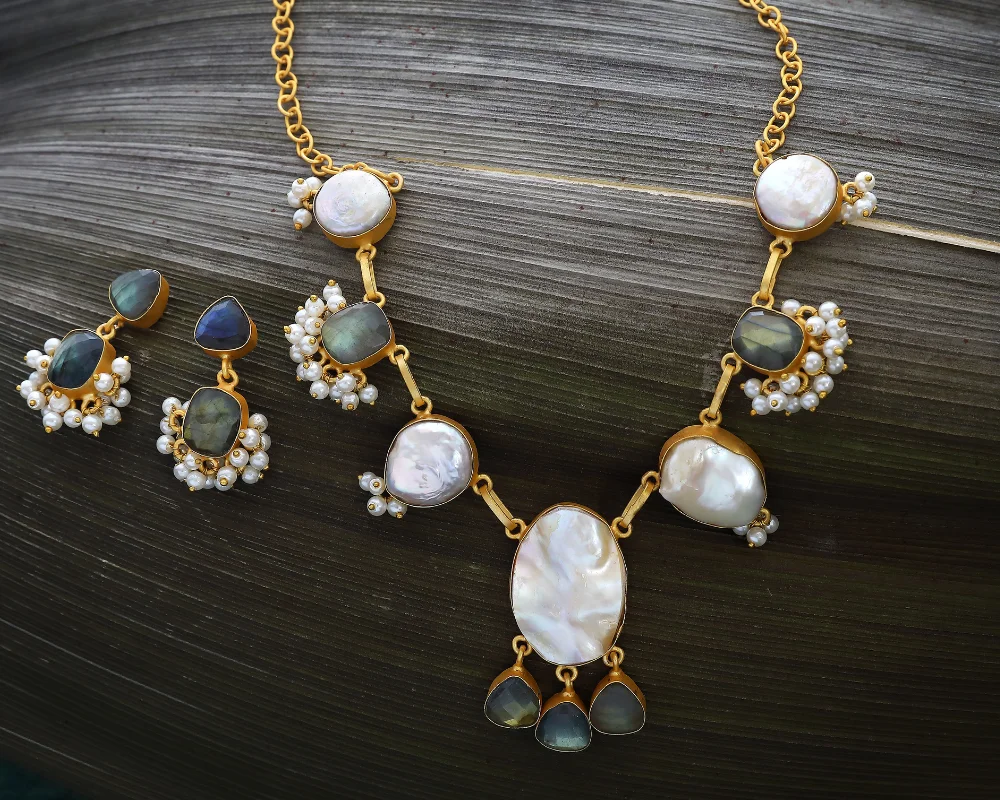
Bali has long been renowned for its exquisite silver jewellery, combining centuries-old craftsmanship with contemporary design. The island’s skilled artisans transform raw sterling silver into wearable art, creating pieces that capture the essence of Balinese culture whilst appealing to modern sensibilities. Understanding how these stunning pieces are made reveals the dedication, skill, and artistry behind every ring, bracelet, and necklace.
Balinese silver jewellery-making is a tradition passed down through generations, with many families in villages like Celuk dedicating their lives to this ancient craft. Unlike mass-produced jewellery, each piece carries the fingerprint of its maker, reflecting traditional techniques that have been refined over hundreds of years.
The island’s silver-smithing heritage dates back to the Majapahit era, when metalworking skills were highly valued. Today, these same techniques continue to thrive, with artisans honouring their ancestors whilst innovating to meet contemporary tastes. This unique blend of tradition and innovation makes Balinese silver jewellery highly sought after by collectors and fashion enthusiasts worldwide.
One of the most distinctive features of Balinese silver jewellery is granulation, a painstaking technique where tiny silver balls are individually placed onto a silver surface to create intricate patterns. This method requires exceptional skill and patience, as each granule must be perfectly positioned before being fused to the base metal.
Artisans create these miniature spheres by melting small pieces of silver until they form perfect balls through surface tension. The granules are then arranged in elaborate patterns—often inspired by nature, Hindu mythology, or geometric designs—before being carefully heated to bond them permanently to the jewellery piece.
Filigree is another hallmark of Balinese craftsmanship, involving the use of thin silver wires twisted and curved into elaborate designs. These delicate threads are soldered together to create lace-like patterns that showcase incredible detail and precision.
Creating filigree work demands steady hands and years of experience. Artisans draw silver through progressively smaller holes to create ultra-fine wire, which is then shaped using specialised tools. The resulting pieces are remarkably lightweight yet structurally sound, with an ethereal quality that distinguishes them from heavier jewellery styles.
Repoussé is a technique where metal is shaped from the reverse side to create raised designs on the front surface. Combined with chasing—where designs are refined from the front—this method produces deeply textured, three-dimensional pieces that catch the light beautifully.
Balinese artisans primarily work with 925 sterling silver, an alloy containing 92.5% pure silver and 7.5% other metals (usually copper) for durability. Quality silver is essential for creating pieces that will last generations whilst maintaining their lustre and detail.
Many workshops source their silver from reputable suppliers who provide certification of authenticity. This ensures that every piece meets international standards for sterling silver content, giving customers confidence in their purchase.
Before any metalwork begins, artisans carefully plan their designs. Some work from traditional patterns passed down through families, whilst others create contemporary pieces inspired by nature, spirituality, or modern aesthetics. Sketches are made, dimensions calculated, and the overall composition considered.
For custom or premium collections, this design phase may involve client consultations, where specific requests for symbolism, sizing, or styling are incorporated. This collaborative approach ensures each piece reflects both the artisan’s expertise and the wearer’s personal preferences.
Step 1: Cutting and Shaping
The artisan begins by cutting silver sheet or wire to the required dimensions using traditional saws and shears. Base shapes are formed using hammers, mandrels, and various moulds to create the fundamental structure of the piece.
Step 2: Creating Details
This is where the magic happens. Using techniques like granulation, filigree, and stamping, artisans add the intricate details that make Balinese silver jewellery so distinctive. Each tiny element is individually crafted and positioned with meticulous care.
Step 3: Soldering and Assembly
Multiple components are joined together using silver solder and a torch. This requires precise temperature control—too hot and the delicate details melt away; too cool and the bond won’t hold. Experienced artisans develop an intuitive feel for the exact moment to apply heat.
Step 4: Stone Setting (if applicable)
For pieces incorporating gemstones, artisans create settings that securely hold each stone whilst complementing the overall design. Common stones used in Balinese jewellery include moonstone, garnet, amethyst, and turquoise, each chosen for both aesthetic appeal and cultural significance.
Step 5: Polishing and Finishing
The final stages involve careful polishing to bring out the silver’s natural shine. Some pieces are given an oxidised finish, where the recessed areas are deliberately darkened to create contrast and highlight the intricate details. This technique gives the jewellery an antique appearance that many collectors prefer.
Whilst traditional Balinese silver jewellery remains popular, premium collections represent the pinnacle of the artisan’s craft. These exclusive pieces incorporate several distinguishing features:
Premium pieces often combine multiple traditional techniques in a single item, showcasing the full range of an artisan’s skills. A premium ring might feature granulation, filigree, and repoussé work simultaneously, creating layers of visual interest.
High-end collections use carefully selected gemstones with superior clarity, colour, and cut. These stones are often sourced internationally and chosen specifically to complement the silver work.
Many premium pieces are created in limited quantities or as one-of-a-kind items, ensuring exclusivity for collectors. This scarcity adds to their value and appeal.
Premium collections are typically made by senior artisans with decades of experience, whose work demonstrates the highest level of technical skill and artistic vision.
The village of Celuk, located in Gianyar Regency, is considered the epicentre of Balinese silver jewellery production. Walking through Celuk, visitors can hear the rhythmic tapping of hammers and see artisans working in open workshops, maintaining traditions that have defined this community for generations.
Many family-run businesses operate here, with skills passed from parent to child in an unbroken chain of craftsmanship. This concentration of expertise creates a community where knowledge is shared, techniques are refined, and innovation flourishes within a framework of tradition.
Whilst Celuk dominates the silver trade, other villages like Kamasan and Singapadu also boast talented silversmiths. Each area may have its own subtle stylistic preferences or specialised techniques, adding diversity to Balinese silver jewellery as a whole.
Modern Balinese silver workshops are increasingly conscious of environmental and social responsibility. Many artisans recycle silver scraps, minimise waste, and use traditional methods that require less energy than industrial production.
Fair labour practices are central to authentic Balinese workshops, where artisans receive fair compensation for their skilled work. This ethical approach ensures the craft remains viable for future generations whilst providing sustainable livelihoods for current practitioners.
When shopping for Balinese silver jewellery, several factors indicate authentic, high-quality pieces:
To maintain the beauty of your Balinese silver pieces:
Premium Balinese silver jewellery represents more than adornment—it’s an investment in artisan culture and craftsmanship. As traditional skills become rarer globally, handcrafted pieces from master artisans increase in value, particularly limited-edition and one-of-a-kind items.
Collectors appreciate Balinese silver for its artistic merit, cultural significance, and the story each piece tells. Unlike mass-produced jewellery, these items carry the maker’s soul, connecting the wearer to centuries of tradition and the individual artisan’s creative vision.
Purchasing authentic Balinese silver jewellery directly supports local communities and helps preserve traditional crafts. When you buy from established workshops or certified sellers, you’re ensuring that skilled artisans receive fair compensation for their work and that these precious techniques continue to thrive.
Many workshops welcome visitors to observe the creation process, offering insights into the remarkable skill required for each piece. This transparency builds trust and allows customers to appreciate the true value of handcrafted jewellery.
Balinese silver jewellery represents the perfect marriage of ancient tradition and contemporary artistry. From the skilled hands of Celuk’s master artisans to premium collections sought by international collectors, each piece tells a story of dedication, cultural heritage, and exceptional craftsmanship.
Whether you’re drawn to traditional designs rich with symbolic meaning or contemporary pieces that push creative boundaries, Balinese silver jewellery offers something unique—a tangible connection to an artistic tradition that has flourished for centuries and continues to evolve today. By choosing authentic, handcrafted pieces, you’re not just acquiring beautiful jewellery; you’re becoming part of a legacy that honours the past whilst supporting the artisans who will carry these treasured skills into the future.